President Donald Trump has not acted on his 2024 campaign pledge to declassify government records related to unidentified aerial phenomena, fifteen months into his second term.
As of mid-April 2026, the administration has issued no executive order on UFO", covering any airborne object that cannot be immediately identified.">UAP disclosure, initiated no interagency review, and established no public timeline for releasing classified materials. White House and Pentagon spokespeople have not addressed the pledge in recent briefings.
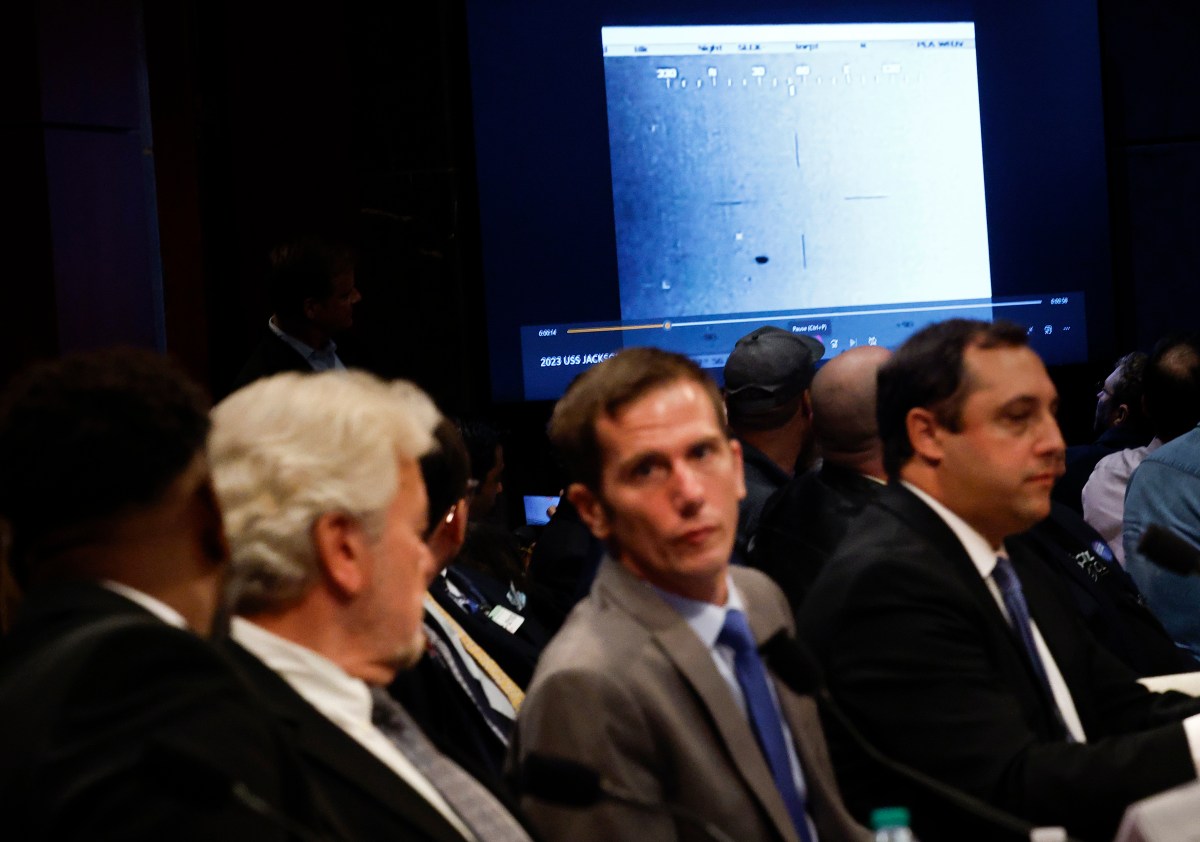
The executive branch inaction contrasts with sustained congressional activity. The House UAP task force held a transparency hearing in late 2025 featuring military witnesses who described encounters under oath. The All-domain Anomaly Resolution Office continued publishing historical case reviews through 2024. Neither development prompted White House follow-through.
UAP researchers have outlined three broad scenarios for what declassified files might reveal:
Conventional explanations. Documents could confirm that most incidents stem from misidentified aircraft, sensor artifacts, or atmospheric phenomena. AARO's 2024 historical record review attributed the majority of legacy cases to prosaic sources.
Foreign adversary technology. Classified assessments attributing incidents to Russian, Chinese, or other nation-state platforms would carry national security implications and likely prompt congressional inquiries into detection gaps.
Non-human intelligence. Official confirmation of recovered technology of unknown origin—the central claim of disclosure advocacy groups—remains unendorsed by any U.S. government body.
Previous administrations released UAP-related documents primarily through Freedom of Information Act litigation and congressional pressure rather than proactive declassification. Without a formal executive mechanism, the scope and timing of any Trump-era disclosure remain undefined.